Top House Design Trends in India for 2026: A Complete Guide to Modern, Sustainable, and Smart Homes
The way Indians design and build homes is evolving rapidly. In 2026, homeowners are looking beyond aesthetics and focusing on homes that are comfortable, energy-efficient, technology-enabled, and built for long-term living. Whether it's a compact urban apartment, an independent villa, or a luxury bungalow, the latest design trends emphasize functionality, sustainability, and personalization.
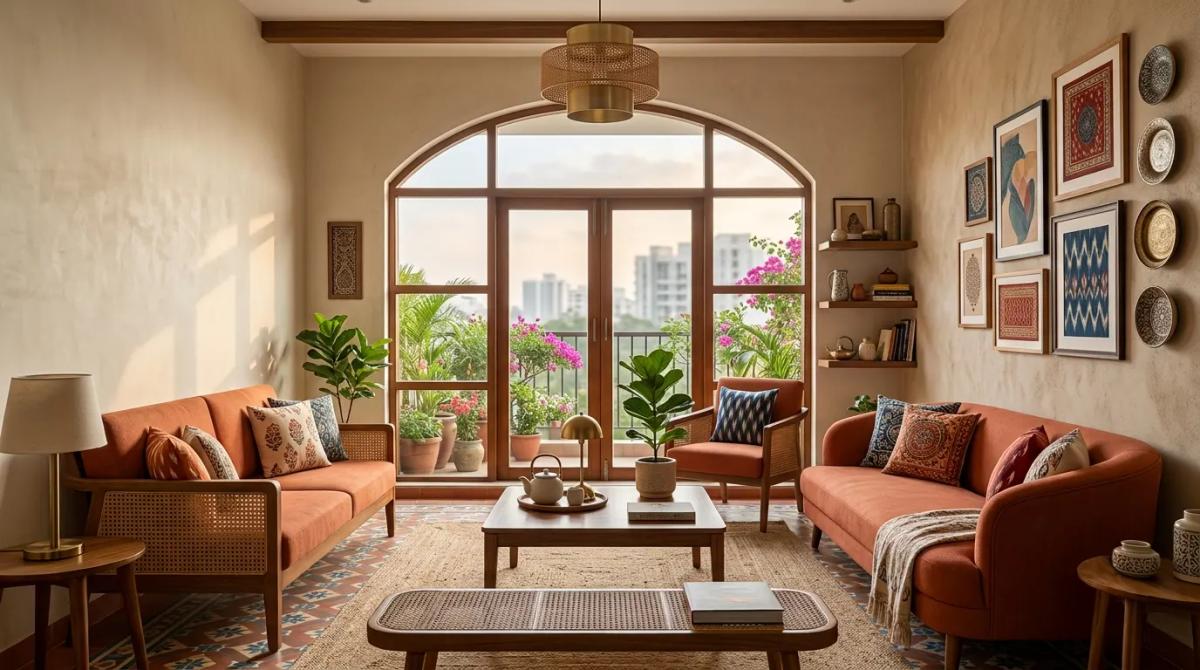
The pandemic fundamentally changed how people interact with their homes. Living spaces now double as workplaces, entertainment zones, wellness retreats, and social gathering areas. As a result, architects and interior designers are creating homes that adapt to changing lifestyles while maintaining timeless elegance.
In this comprehensive guide, we'll explore the top house design trends shaping Indian homes in 2026 and how you can incorporate these ideas into your dream home.
Designing for India's Climate Future
The homes of 2026 are not only beautiful—they are resilient. As India faces more intense heat waves, erratic monsoons, and water stress, climate-responsive architecture is becoming essential rather than optional.
By combining passive cooling, rainwater harvesting, heat-resistant materials, renewable energy, and flood-ready design, homeowners can create houses that remain comfortable, efficient, and durable despite changing weather patterns. Investing in climate-resilient design today not only lowers operating costs but also protects families and properties for decades to come.
Expert Tip: Think of your home as a long-term investment. A climate-resilient design may involve a slightly higher upfront cost, but it can significantly reduce energy bills, water consumption, maintenance expenses, and climate-related repair costs over the life of the building.
Design Your Dream Home Before You Build
Planning a new home? Turn your ideas into detailed 2D floor plans and realistic 3D house designs in minutes. With Zlendo Realty's AI Floor Planner, you can create layouts from scratch or upload an existing sketch, customize rooms, furniture, and dimensions, then instantly explore your home in immersive 3D before construction begins. It's designed for homeowners, architects, builders, and interior designers alike.
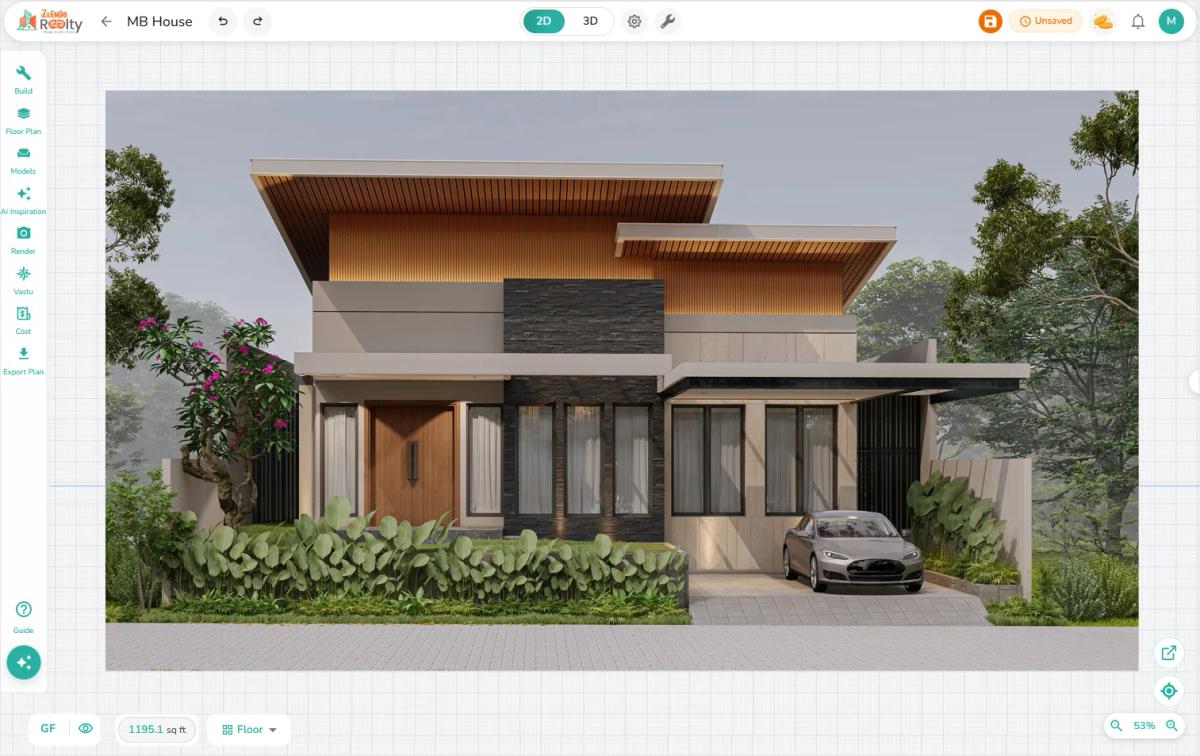
Start designing your dream home with the AI Floor Planner today.
1. Warm Minimalism Replaces Cold Minimalism
Minimalism continues to dominate Indian home design, but its appearance has changed dramatically. Instead of stark white walls and ultra-modern interiors, homeowners now prefer warm, inviting spaces with natural textures.
Key Features
- Earthy color palettes
- Wooden furniture
- Linen and cotton fabrics
- Soft ambient lighting
- Clean layouts with cozy elements
Warm minimalism focuses on creating peaceful environments without making spaces feel empty. Natural materials like oak, teak, walnut, and engineered wood pair beautifully with neutral walls to create timeless interiors.
Popular Colors
- Sand Beige
- Warm White
- Taupe
- Terracotta
- Clay Brown
- Olive Green
2. Sustainable Homes Become the New Standard
Sustainability is no longer a luxury—it has become an essential part of modern home design.
Indian homeowners are increasingly investing in eco-friendly materials and energy-efficient systems that reduce environmental impact while lowering long-term maintenance costs.
Popular Sustainable Materials
- Bamboo flooring
- Reclaimed wood
- Natural stone
- Clay bricks
- Lime plaster
- Recycled metal
- Low-VOC paints
Eco-Friendly Features
- Rainwater harvesting
- Solar panels
- Energy-efficient appliances
- LED lighting
- Natural ventilation
- Water-saving fixtures
A sustainable home not only benefits the environment but also increases property value and reduces electricity bills.
3. Smart Homes Are Becoming Mainstream
Technology has transformed modern living, and 2026 homes are smarter than ever.
Instead of adding gadgets after construction, homeowners now integrate smart technology during the design phase.
Smart Home Features
- Voice-controlled lighting
- Smart locks
- Video doorbells
- Motion sensors
- Automated curtains
- Climate control systems
- AI-powered security cameras
Smart homes offer convenience, enhanced security, and improved energy efficiency.
4. Indoor-Outdoor Living Takes Center Stage
One of the biggest design shifts in 2026 is the seamless connection between indoor and outdoor spaces.
Architects are designing homes that maximize natural light and fresh air while incorporating greenery into everyday living.
Trending Features
- Courtyards
- Skylights
- Balcony gardens
- Vertical green walls
- Large glass sliding doors
- Outdoor seating areas
Biophilic design has become a priority because it improves mental well-being, reduces stress, and creates healthier living environments.
5. Multi-Functional Spaces for Modern Families
Homes must now accommodate work, study, entertainment, fitness, and relaxation.
Rather than dedicating rooms to single purposes, designers are creating flexible spaces.
Examples
- Guest room with foldable work desk
- Dining area doubling as study space
- Modular living room furniture
- Murphy beds
- Hidden storage compartments
- Convertible furniture
This trend is particularly useful in urban apartments wheremaximizing every square foot matters.
6. Statement Lighting Defines Interior Design
Lighting has evolved from a practical necessity into a major design element.
Instead of relying on a single ceiling light, homeowners now layer different lighting styles.
Types of Lighting
- Ambient lighting
- Accent lighting
- Task lighting
- Decorative pendant lights
- Cove lighting
- Wall sconces
- Floor lamps
Layered lighting creates mood, highlights architectural features, and enhances the overall ambiance of a home.
7. Curved Architecture and Organic Shapes
Straight lines are gradually giving way to softer, more organic forms.
Rounded furniture and curved architectural details create warmth while adding visual interest.
Popular Elements
- Arched doorways
- Curved sofas
- Round dining tables
- Circular mirrors
- Curved kitchen islands
- Oval bathtubs
These features bring elegance without making interiors appear overly formal.
8. Personalized Interiors Over Generic Designs
Indian homeowners increasingly want homes that reflect their personality rather than replicate online trends.
Customization has become one of the defining characteristics of modern interior design.
Personal Touches
- Handmade artwork
- Family photographs
- Local handicrafts
- Regional textiles
- Custom furniture
- Personalized color schemes
Combining modern architecture with traditional Indian craftsmanship creates unique and meaningful spaces.
9. Hidden Storage Solutions for Clutter-Free Living
Storage has become smarter and more discreet.
Instead of bulky cabinets, designers integrate storage into furniture and walls.
Smart Storage Ideas
- Floor-to-ceiling wardrobes
- Under-bed drawers
- Hidden kitchen pantry
- Staircase storage
- Window seating with storage
- Floating cabinets
These solutions help maintain clean, organized interiors while maximizing usable space.
10. Wellness-Centered Home Design
Modern homes are increasingly designed to promote physical and mental well-being.
Homeowners are prioritizing healthier indoor environments through better planning and material choices.
Wellness Features
- Cross ventilation
- Natural daylight
- Indoor plants
- Meditation rooms
- Yoga corners
- Air-purifying materials
- Acoustic insulation
A wellness-focused home improves comfort, productivity, and overall quality of life.
Trending Exterior Designs in 2026
Exterior architecture is becoming more contemporary while remaining climate-responsive.
Exterior Trends
- Flat roofs
- Stone cladding
- Wooden textures
- Large windows
- Minimal landscaping
- Glass railings
- Neutral exterior colors
- Sustainable facades
Modern Indian homes combine elegance with practical design suited to local weather conditions.
Kitchen Design Trends
The kitchen continues to be the heart of the home.
What's Trending
- Modular layouts
- Quartz countertops
- Handleless cabinets
- Built-in appliances
- Large kitchen islands
- Matte finishes
- Smart storage systems
Open kitchens connected to dining and living spaces remain highly popular.
Bathroom Trends
Luxury-inspired bathrooms are becoming standard in premium homes.
Popular Features
- Walk-in showers
- Floating vanities
- Large mirrors
- Matte black fittings
- Natural stone finishes
- LED mirrors
- Smart toilets
- Spa-inspired lighting
Color Trends for 2026
Interior designers predict earthy and nature-inspired shades will dominate Indian homes.
Trending Colors
- Warm White
- Beige
- Greige
- Terracotta
- Olive Green
- Forest Green
- Dusty Blue
- Charcoal Grey
- Matte Black Accents
These colors create timeless interiors that remain stylish for years.
Materials Dominating 2026
Natural materials continue to replace synthetic alternatives.
Popular Choices
- Marble
- Kota Stone
- Granite
- Engineered Wood
- Cane
- Rattan
- Brass
- Linen
- Cotton
- Handmade Ceramic Tiles
These materials add warmth, texture, and durability to modern homes.
Tips for Designing Your Dream Home in 2026
- Prioritize natural lighting.
- Invest in energy-efficient systems.
- Choose timeless colors over temporary trends.
- Incorporate indoor plants.
- Plan flexible living spaces.
- Select durable materials.
- Include sufficient storage.
- Integrate smart home technology during construction.
- Design for future family needs.
- Work with experienced architects and interior designers.
Creating Sustainable Homes for India's Changing Climate
House design trends in India for 2026 reflect a significant shift toward homes that are smarter, healthier, more sustainable, and deeply personal. While aesthetics remain important, functionality and well-being now take center stage. Warm minimalism, eco-friendly construction, smart technology, flexible layouts, and biophilic design are redefining modern Indian homes.
Whether you're planning to build a new house or renovate an existing one, incorporating these trends will help create a space that is stylish, practical, and future-ready. The best homes of 2026 are not just beautiful—they are designed to enhance everyday living while adapting to the evolving needs of Indian families.
Frequently Asked Questions (FAQs)
1. What is the biggest house design trend in India for 2026?
Warm minimalism combined with sustainable materials and smart home technology is the leading trend.
2. Which colors are popular for Indian homes in 2026?
Warm white, beige, terracotta, olive green, taupe, forest green, and earthy neutral shades are the most popular.
3. Are smart homes worth the investment?
Yes. Smart lighting, security, climate control, and automation improve convenience, enhance safety, and reduce energy consumption.
4. How can I make my home more sustainable?
Use eco-friendly materials, install energy-efficient appliances, maximize natural ventilation, incorporate rainwater harvesting, and consider solar power.
5. Is minimalism still popular in 2026?
Yes, but it has evolved into warm minimalism that combines clean lines with natural textures, earthy colors, and cozy furnishings.
6. What type of flooring is trending in India?
Natural stone, large-format vitrified tiles, engineered wood, terrazzo, and Kota stone are among the top flooring choices in 2026.
Design a Future-Ready Home
As India's climate becomes hotter and more unpredictable, smart planning is essential. Design homes with better ventilation, passive cooling, rainwater harvesting, solar-ready roofs, and efficient layouts before construction begins. Zlendo Realty's AI Floor Planner helps you create, edit, and visualize climate-resilient home designs in realistic 3D, making it easier to plan for comfort, sustainability, and long-term savings.
Reshma Shree
A passionate content writer and digital marketer skilled in creating engaging, SEO-driven content that boosts online visibility and brand growth.