Single Brick Wall Thickness: Standard Size, Uses, and Design Considerations
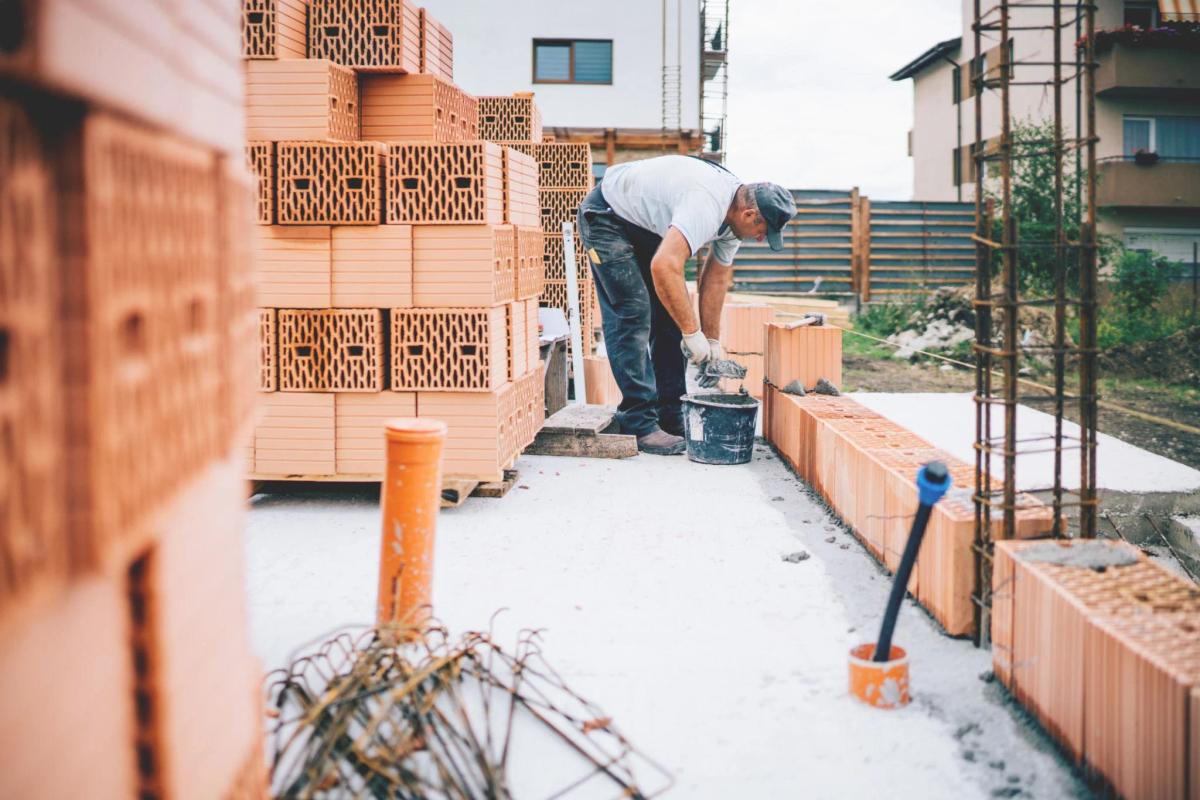
Single brick wall thickness is an important factor in construction, especially when planning interior walls or lightweight structures. Knowing the correct dimensions helps ensure proper strength, space planning, and cost efficiency. In most construction practices, a single brick wall has a standard thickness of about 4 inches (100 mm).
This thickness is calculated based on the width of a standard brick, excluding plaster. Common bricks typically measure around 190 mm in length, 90–100 mm in width, and 75 mm in height, making them suitable for single-layer wall construction.
What Is the Standard Single Brick Wall Thickness?
A single brick wall is constructed by placing bricks lengthwise, resulting in a wall thickness of:
- Approximately 4 inches (100 mm)
After plastering on both sides, the total thickness may increase slightly, usually reaching 5 to 6 inches, depending on the plasterfinish.
Why Single Brick Wall Thickness Is Important
The thickness of a single brick wall directly affects several aspects of a building:
- Structural support: Suitable for non-load-bearing walls
- Space efficiency: Saves floor area compared to thicker walls
- Cost-effectiveness: Uses fewer materials
- Ease of construction: Faster to build for partitions
However, single brick walls are generally not recommended for heavy load-bearing applications.
Common Uses of Single Brick Walls
Single brick walls are widely used in:
- Interior partition walls
- Boundary or compound walls (low height)
- Temporary or auxiliary structures
- Small residential and commercial buildings
They are ideal where full structural strength is not required but separation and enclosure are needed.
Single Brick Wall Thickness and Insulation
While a single brick wall offers basic separation, its insulation capacity is limited:
- Thermal insulation: Moderate
- Sound insulation: Lower compared to double brick walls
For better insulation, builders often combine single brick walls with plaster, insulation boards, or cavity solutions.
Design Considerations for Single Brick Walls
When planning layouts, single brick walls are useful for maintaining openness in smaller spaces. Their slim profile allows more usable area while still providing adequate separation between rooms.
FAQ
Q1: What is the standard single brick wall thickness?
A single brick wall is typically 4 inches (100 mm) thick without plaster.
Q2: Is a single brick wall strong enough for load-bearing structures?
No, single brick walls are generally used for non-load-bearing purposes.
Q3: Does plaster increase single brick wall thickness?
Yes, plastering can increase the total thickness to around 5–6 inches.
Q4: Can single brick walls be used for exterior walls?
They can be used in mild conditions, but double brick or reinforced walls are better for durability and insulation.
Reshma Shree
A passionate content writer and digital marketer skilled in creating engaging, SEO-driven content that boosts online visibility and brand growth.