Baffle Walls in Septic Tanks: What They Are, How They Work, and Why They Matter
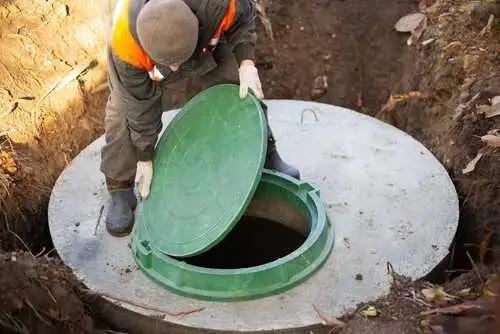
Baffle walls are a critical internal component of septic tanks that help the system function efficiently and safely. Although they are not visible from the outside, baffle walls play a major role in controlling wastewater movement, separating solids, and protecting the drainage system from damage.
Understanding how baffle walls work can help homeowners, builders, and designers ensure better septic performance and longer system life.
What Are Baffle Walls in a Septic Tank?
Baffle walls are internal barriers installed at the inlet and outlet points of a septic tank. Their primary purpose is to regulate the flow of wastewater as it enters and exits the tank.
By slowing down wastewater movement, baffle walls allow:
- Oils and lighter materials to rise to the surface as scum
- Cleaner liquid (effluent) to move safely to the next treatment stage
This controlled separation is essential for proper septic tank operation.
Why Baffle Walls Are Important
Baffle walls improve septic tank performance in several key ways:
- Prevents solid waste from entering drain fields
- Reduces clogging and system overload
- Improves wastewater treatment efficiency
- Extends the lifespan of the septic system
- Minimizes environmental contamination
Without properly functioning baffle walls, solids can escape the tank and damage the soil absorption system.
How Baffle Walls Work Inside a Septic Tank
When wastewater enters the tank:
- The inlet baffle slows the incoming flow
- Solids settle, and scum floats naturally
- The outlet baffle blocks solids from exiting
- Only partially treated liquid moves forward
This simple but effective flow control ensures the septic system operates as designed.
Materials Commonly Used for Baffle Walls
Baffle walls are usually made from:
- Concrete
- Durable plastic (PVC or polyethylene)
- Fiberglass
These materials are chosen for their resistance to corrosion, moisture, and long-term exposure to wastewater.
Design and Planning Considerations
Though baffle walls are hidden, their placement is crucial. When planning utility areas or mechanical spaces in homes, designers often consider access points for inspection and maintenance. Just as careful layout planning improves interior functionality, using a room planner can help ensure essential systems like septic tanks are thoughtfully integrated without compromising usability or safety.
Maintenance Tips for Baffle Walls
- Inspect baffle walls every 1–3 years
- Check during routine septic tank pumping
- Repair cracks or missing baffles immediately
- Ensure access covers are easy to reach
Proactive maintenance helps prevent expensive system failures.
Frequently Asked Questions About Baffle Walls
Q1: What is the main purpose of baffle walls?
Baffle walls control wastewater flow and prevent solids from leaving the septic tank.
Q2: Can a septic tank work without baffle walls?
It may function temporarily, but efficiency and lifespan are significantly reduced.
Q3: How often should baffle walls be inspected?
Every 1–3 years, ideally during septic servicing.
Q4: Do damaged baffle walls cause system failure?
Yes, broken or missing baffles can lead to drain field clogging and costly repairs.
Q5: Are baffle walls the same as internal partitions?
No. Baffle walls are specifically designed to manage fluid movement, not space separation.
Reshma Shree
A passionate content writer and digital marketer skilled in creating engaging, SEO-driven content that boosts online visibility and brand growth.