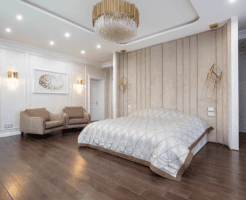
L Shaped House Vastu: Practical Design Principles for Harmony and Comfort


An L-shaped house often raises concerns among homeowners who follow Vastu Shastra. Traditional texts usually favor square or rectangular layouts, which leads many to believe that an L-shaped plan automatically creates imbalance. In reality, modern living patterns and smart interior planning can make an L-shaped home both Vastu-aligned and highly functional.
Rather than focusing only on the outer shape, today’s Vastu approach emphasizes how spaces are used, how energy flows, and how light and movement are managed inside the home. With the right planning, an L-shaped house can become an advantage rather than a drawback.
Is an L-Shaped House Against Vastu?
The belief that L-shaped houses are “inauspicious” comes from the idea of missing corners, which were once associated with energy loss. However, Vastu is not just about geometry—it is about balance, purpose, and activity.
If the so-called missing portion is thoughtfully planned and the remaining spaces are active, bright, and well-connected, the impact of shape becomes minimal. Many modern Vastu consultants now agree that interior zoning matters more than the outline of the building.
Understanding the “Missing Corner” Concept in L-Shaped Homes
In an L-shaped layout, one direction often appears incomplete. Instead of structural corrections, this area can be visually and energetically balanced through interior design choices:
- Use mirrors to reflect space and light
- Add indoor plants or a green corner
- Install soft lighting to avoid dark, unused zones
- Convert the space into a functional nook
When a corner is active and purposeful, it no longer behaves like a Vastu defect.
Ideal Room Placement in an L-Shaped House as per Vastu
Strategic room allocation is key to making an L-shaped home Vastu-friendly.
Kitchen Placement
The kitchen works best in the southeast wing, as this direction aligns with the fire element. Morning sunlight in this area also supports hygiene and positivity.
Bedrooms
Bedrooms are ideal in the southwest or west sections, especially in the longer leg of the L-shape. These zones provide privacy, stability, and quiet.
Living and Dining Areas
Place common areas near the center or junction of the two wings. This helps unify the layout and encourages smooth energy circulation between spaces.
Pooja Room
If possible, locate the prayer area in the northeast, even if it’s compact. Cleanliness and openness here matter more than size.
Can Interior Design Correct Vastu Imbalance?
Yes—interiors play a powerful role in Vastu balance. Elements that help neutralize imbalance include:
- Proper furniture alignment that allows free movement
- Light-colored walls to enhance openness
- Clear pathways without clutter
- Artwork or décor that connects both wings visually
When spaces feel connected and comfortable, energy naturally flows without disruption.
Hidden Benefits of L-Shaped House Plans
L-shaped homes offer several advantages that traditional layouts often lack:
- Better cross-ventilation due to multiple open sides
- Increased natural light and window placement
- Private outdoor spaces like courtyards or garden views
- Natural zoning for work-from-home or study areas
These features contribute to better health, comfort, and lifestyle—key goals of Vastu itself.
Are Structural Changes Necessary for Vastu Compliance?
In most cases, no structural changes are required. Costly extensions or demolitions are rarely needed. Simple solutions like rearranging furniture, improving lighting, or redefining room functions can deliver better results than construction-based remedies.
Vastu works best when aligned with daily habits, not when forced through heavy alterations.
Why Over-Correcting Can Be a Mistake
Many homeowners overspend on Vastu “fixes” that ignore how the home is actually used. Over-correction can make spaces uncomfortable or impractical. A balanced approach—combining Vastu logic with modern design—creates a home that feels right both emotionally and functionally.
Is an L-Shaped House Good as per Vastu?
An L-shaped house is not inherently bad. With thoughtful planning, smart zoning, and conscious interior design, it can supportharmony, comfort, and positive energy. Instead of worrying about shape alone, focus on light, movement, and purposeful use of space—the true foundation of Vastu.
FAQs: L Shaped House Vastu
Is an L-shaped house bad according to Vastu?
No. Issues can be minimized or eliminated through proper interior planning.
How do I balance a missing corner in an L-shaped house?
Use mirrors, lighting, plants, and functional usage instead of construction.
Do I need to rebuild to fix Vastu dosha?
Not usually. Interior layout changes are often sufficient.
Can interiors really influence Vastu energy?
Yes. Furniture placement, colors, and lighting play a major role.
What is the best use of the inner L corner?
A reading nook, study area, green corner, or meditation space works well.
Does an L-shaped house affect resale value?
Only if poorly planned. A well-designed layout is generally well accepted.
How can I improve energy flow in an L-shaped layout?
Keep pathways open, connect both wings visually, and avoid unused dark spaces.
Related Articles
House Room Pic Collection: Living Room, Bedroom & Kitchen Designs
Explore our House Room Pic Collection featuring stunning designs for living rooms, bedrooms, and kitchens. Transform your space with these inspiring ideas.
 Reshma Shree
3D Home Design Explained: See Your Dream Home Before It’s Built
Discover how 3D home design transforms dream homes into reality before construction begins. Experience the Zlendo advantage today.
Reshma Shree
Zlendo Realty: Next-Gen Floor Planning and 3D Visualization
Bring Floor Plans to Life with Zlendo Realty’s 2D to 3D Converter Turning concepts into realistic visual experiences is now easier than ever. With Zlendo Realty’s 2D Floor Planner…
Reshma Shree