How to Build a House in India from Abroad: The Complete NRI Master Guide
Building a dream home in India while living overseas may seem challenging, but thousands of Non-Resident Indians (NRIs) successfully construct homes every year. With proper planning, legal compliance, trusted local partners, and modern project management tools, you can oversee your house construction from anywhere in the world.
Whether you’re planning a retirement home, an investment property, or a future family residence, this comprehensive guide explains everything you need to know about building a house in India from abroad.
Why NRIs Are Investing in Residential Construction in India
India continues to attract NRI investments due to:
- Growing real estate values
- Favorable exchange rates
- Emotional connection to hometowns
- Retirement planning opportunities
- Increased demand for independent homes
- Long-term wealth creation
Many NRIs prefer building a custom home instead of purchasing a ready-made property because it offers greater control over design, quality, and future requirements.
Step 1: Understand NRI Property Ownership Rules
Before starting construction, ensure you understand Indian property laws.
Can NRIs Buy Land in India?
NRIs are generally allowed to purchase:
- Residential properties
- Residential plots
- Commercial properties
However, NRIs cannot typically purchase:
- Agricultural land
- Plantation property
- Farmhouses
Exceptions may apply through inheritance or specific legal provisions.
Consult a qualified property lawyer before purchasing any land.
Step 2: Select the Right Location
Location is the most critical factor affecting future property value and construction costs.
Consider:
Infrastructure Development
- Road connectivity
- Public transportation
- Water supply
- Electricity availability
- Internet connectivity
Future Growth Potential
- Upcoming metro projects
- Industrial developments
- IT corridors
- Educational institutions
- Healthcare facilities
Family Requirements
- Distance from relatives
- School access
- Neighborhood safety
- Community amenities
Popular destinations among NRIs include:
- Chennai
- Bengaluru
- Hyderabad
- Coimbatore
- Kochi
- Pune
- Ahmedabad
Step 3: Conduct Thorough Land Verification
One of the biggest mistakes NRIs make is purchasing land without proper legal verification.
Essential Documents to Verify
- Title deed
- Sale deed
- Encumbrance certificate
- Patta or revenue records
- Property tax receipts
- Approved layout documents
- Survey records
Hire Professionals
Work with:
- Property lawyer
- Chartered surveyor
- Local real estate consultant
Professional verification helps avoid ownership disputes and legal complications later.
Step 4: Create a Realistic Construction Budget
Construction costs in India vary based on location, materials, design complexity, and labor availability.
Typical Budget Components
Land Cost
Usually 30–60% of the total investment.
Construction Cost
Includes:
- Foundation
- Structure
- Roofing
- Electrical systems
- Plumbing
- Flooring
- Painting
Professional Fees
- Architect
- Structural engineer
- Interior designer
- Project management consultant
Government Charges
- Building approval fees
- Utility connection charges
- Registration costs
Contingency Fund
Reserve at least 10–15% for unexpected expenses.
Step 5: Appoint a Trusted Local Representative
Managing construction remotely requires someone reliable on the ground.
Options include:
- Family member
- Trusted friend
- Professional project manager
- Construction management company
Use a Power of Attorney (POA)
Many NRIs authorize a representative through a legally executed Power of Attorney.
A POA can help with:
- Document signing
- Approval submissions
- Contractor coordination
- Utility applications
Always consult a legal expert before executing a POA.
Step 6: Hire an Experienced Architect
A professional architect helps transform your vision into an approved and buildable design.
Benefits of Hiring an Architect
- Optimized space planning
- Local building code compliance
- Better ventilation and lighting
- Cost-effective design solutions
- Sustainable construction planning
Modern architects can collaborate virtually through:
- Video meetings
- 3D walkthroughs
- BIM models
- Cloud-based project platforms
Step 7: Obtain Required Approvals
Construction should never begin without municipal approval.
Depending on location, approvals may include:
- Building plan approval
- Development authority approval
- Environmental clearance (if applicable)
- Utility permissions
Starting construction without approvals can result in penalties, delays, or demolition notices.
Step 8: Choose the Right Construction Model
NRIs generally select one of three approaches.
Turnkey Construction
A single company handles:
- Design
- Approvals
- Construction
- Project delivery
Advantages:
- Simplified management
- Single point of accountability
- Better coordination
Labor Contract
You purchase materials while contractors provide labor.
Advantages:
- Greater cost control
- Material quality oversight
Project Management Contract
A professional manager oversees multiple contractors.
Advantages:
- Enhanced transparency
- Better quality control
- Detailed reporting
For most NRIs, turnkey or project-managed construction is often the easiest option.
Step 9: Monitor Construction Remotely
Technology makes remote project management easier than ever.
Recommended Tools
Weekly Progress Reports
Request:
- Site photographs
- Video walkthroughs
- Budget updates
- Timeline reports
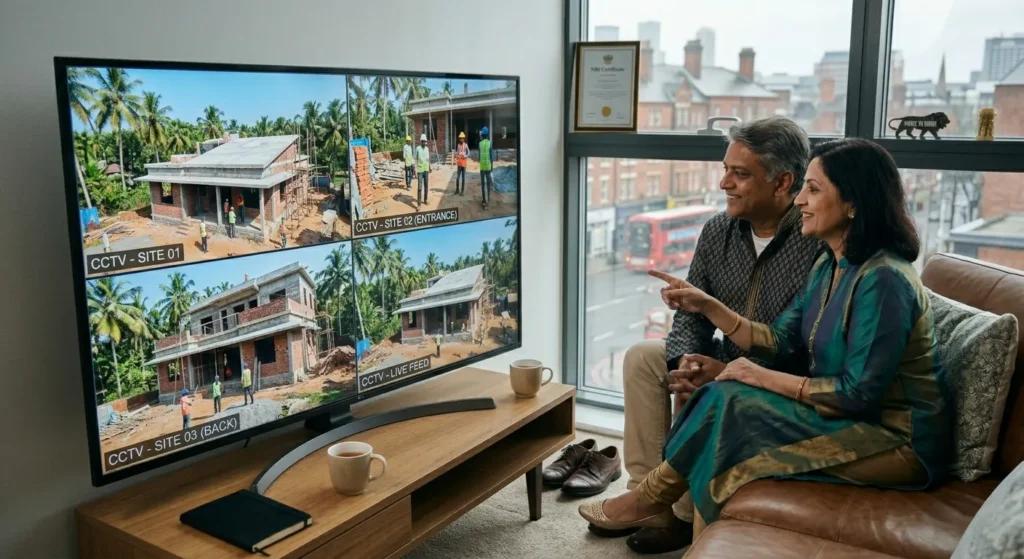
CCTV Monitoring
Install site cameras to monitor progress in real time.
Project Management Software
Use platforms that provide:
- Milestone tracking
- Cost monitoring
- Document storage
- Contractor communication
Drone Updates
Many builders now offer periodic drone footage for remote clients.
Step 10: Focus on Quality Control
Quality issues are among the biggest concerns for overseas homeowners.
Conduct Independent Inspections
Schedule inspections during:
- Foundation stage
- Structural stage
- Roofing stage
- Finishing stage
Hire Third-Party Auditors
Independent quality audits help ensure:
- Material compliance
- Structural integrity
- Construction standards
This small investment can prevent expensive repairs later.
Step 11: Manage Payments Securely
Avoid making large advance payments.
Best Practices
- Link payments to milestones
- Maintain written contracts
- Use bank transfers
- Keep detailed payment records
- Request GST invoices
A structured payment schedule protects your investment and improves contractor accountability.
Step 12: Plan Utilities and Home Automation
Modern homeowners increasingly include:
- Smart lighting
- CCTV systems
- Video doorbells
- Solar panels
- Rainwater harvesting
- EV charging points
Planning these systems during construction is more cost-effective than retrofitting later.
Common Mistakes NRIs Should Avoid
Buying Land Without Verification
Always conduct legal due diligence before purchase.
Choosing the Lowest Bid
Extremely low quotations often lead to quality compromises.
Lack of Written Agreements
Every project detail should be documented.
Ignoring Regular Site Reviews
Even trusted contractors require periodic oversight.
Underestimating Budget Requirements
Include contingency reserves for inflation and design changes.
Estimated Timeline for Building a House in India
| Phase | Estimated Duration |
|---|---|
| Land Purchase & Verification | 1–3 Months |
| Design & Planning | 1–2 Months |
| Approvals | 1–4 Months |
| Construction | 8–18 Months |
| Interior & Final Finishing | 1–3 Months |
Actual timelines depend on location, project complexity, approvals, and weather conditions.
Tax and Financial Considerations for NRIs
Before starting your project:
- Understand NRE and NRO account usage
- Track all property-related expenses
- Maintain construction invoices
- Consult a Chartered Accountant regarding taxation
- Understand capital gains implications for future property sales
Professional financial advice can help maximize compliance and tax efficiency.
Turning Your Dream Home in India into Reality from Overseas
Building a house in India from abroad is entirely achievable with the right planning and professional support. Success depends on careful land verification, realistic budgeting, legal compliance, trusted local representation, and consistent project monitoring.
By leveraging technology, hiring experienced professionals, and maintaining transparent communication throughout the project, NRIs can confidently build their dream home in India without being physically present at every stage.
Whether you’re creating a retirement residence, a family home, or a long-term investment, a structured approach can help ensure your project stays on schedule, within budget, and aligned with your vision.
Frequently Asked Questions (FAQs)
Can an NRI build a house in India while living abroad?
Yes. NRIs can legally own residential property and manage construction remotely through representatives, project managers, and digital monitoring tools.
How can I monitor construction from another country?
Use weekly reports, live CCTV access, video walkthroughs, drone inspections, and project management software.
Should I hire a turnkey builder or separate contractors?
Most NRIs prefer turnkey builders because they simplify project management and provide a single point of accountability.
Can I give someone authority to manage the project on my behalf?
Yes. A legally executed Power of Attorney can authorize a trusted representative to handle specific construction-related matters.
How much contingency budget should I keep?
Experts typically recommend reserving 10–15% of the total project cost for unforeseen expenses and design modifications.
Build with Confidence — Visualize Your Dream Home Before Construction Starts
One of the biggest challenges NRIs face while building a house in India is making decisions from thousands of miles away. Floor plans and 2D drawings often make it difficult for family members, architects, and builders to align on the final design.
That’s where Zlendo Realty can help.
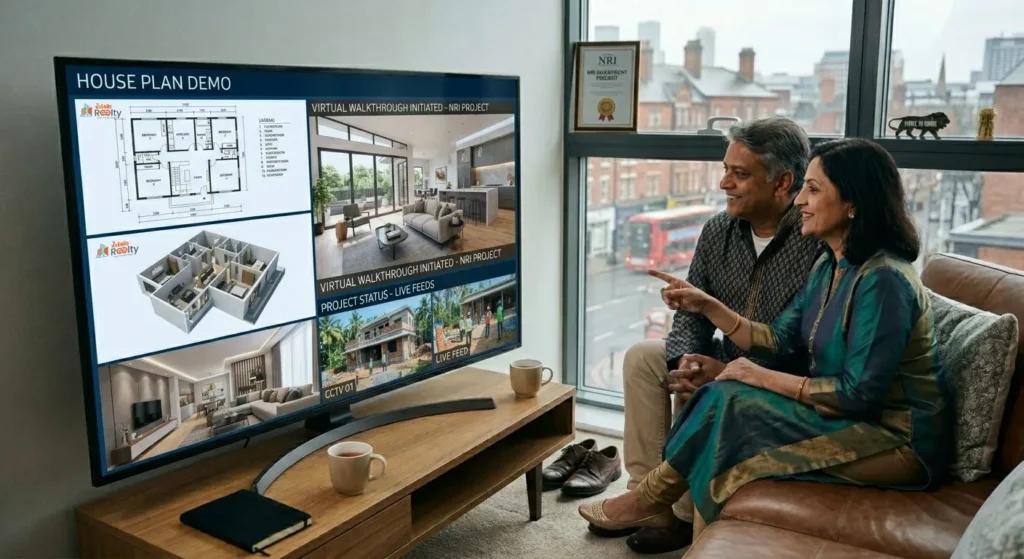
Powered by AI, Zlendo Realty enables homeowners, NRIs, architects, and builders to transform floor plans into realistic 3D models, walkthroughs, renders, and construction-ready visualizations within minutes. The platform allows users to convert 2D plans into immersive 3D experiences, generate realistic renders, create virtual walkthroughs, and estimate project costs before construction begins.
Why NRIs Choose Zlendo Realty
- Visualize your home or office design before spending on construction
- Convert 2D floor plans into realistic 3D models instantly
- Share immersive walkthroughs with family members anywhere in the world
- Compare multiple design options before finalizing construction
- Get AI-powered room styling and design inspiration
- Access real-time cost estimation to plan your budget better
- Present your design confidently to builders, contractors, and stakeholders
- Reduce costly design revisions and construction misunderstandings
With AI-powered visualization, homeowners can see exactly how their future property will look before a single brick is laid. Zlendo Realty provides 3D models, walkthroughs, renders, and cost insights from a single platform, helping users move from concept to final design significantly faster.
Perfect for NRIs Building from Abroad
Whether you’re in the USA, Canada, the UK, Australia, Singapore, or the Middle East, Zlendo Realty helps bridge the distance gap by allowing you to:
- Review designs remotely
- Collaborate with architects and family members
- Approve layouts with confidence
- Showcase your vision to contractors
- Make informed decisions before construction starts
Ready to See Your Future Home Before It’s Built?
Turn your floor plan into a fully visualized dream home with AI-powered design technology.
Explore Zlendo Realty Today:
Zlendo Realty India
Design smarter. Visualize better. Build confidently.
Reshma Shree
A passionate content writer and digital marketer skilled in creating engaging, SEO-driven content that boosts online visibility and brand growth.