Peaceful Indian Homes with Simple Pooja Room Designs That Feel Divine
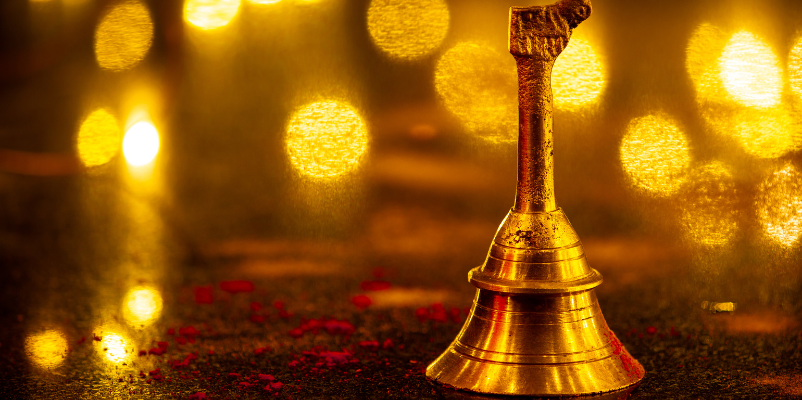
In Indian households, a pooja room holds deep emotional and spiritual value. It is not just a physical space but a source of calm, devotion, and positive energy. Creating such a space does not require a large room or costly décor. With simple pooja room designs, even compact homes can offer a peaceful and spiritually uplifting environment.
This blog highlights how smart planning and minimal design choices can help you create a divine pooja space that blends naturally with modern Indian homes.
Why Simple Pooja Room Designs Work Well in Indian Homes
Simplicity allows the mind to stay focused during prayer and meditation. Simple pooja rooms are practical, easy to manage, and suitable for today’s busy lifestyles.
Key benefits include:
- Easy upkeep and regular cleaning
- Suitable for both apartments and independent houses
- Cost-effective and long-lasting
- Calm, clutter-free spiritual surroundings
A thoughtfully designed simple pooja room keeps attention on devotion rather than decoration.
Simple Pooja Room Ideas for Small Homes
Limited space is a common challenge in urban homes, but it does not limit spirituality. With the right layout, a peaceful pooja area can be created anywhere.
Smart solutions include:
- Wall-fixed mandirs
- Compact corner cabinets or shelves
- Built-in wall niches
- Small wooden pooja units
Even a modest setup can feel sacred when kept neat and well-organized.
Minimalist Pooja Room Designs for Modern Homes
Minimalist pooja rooms suit contemporary interiors by focusing on balance and calmness. They avoid unnecessary elements and promote mental clarity.
Common features include:
- Soft neutral shades such as white, cream, or beige
- Simple wooden or marble bases
- Gentle lighting instead of heavy fixtures
- A limited number of idols arranged neatly
This style creates a peaceful setting ideal for daily prayers and quiet reflection.
Traditional Pooja Rooms with a Simple Indian Feel
Traditional design elements can be used subtly to maintain cultural roots without overcrowding the space.
Simple traditional ideas include:
- Wooden mandirs with light detailing
- Brass bells or diyas
- Marble base or flooring
- Natural materials like wood and stone
These details add warmth and spirituality without making the room feel heavy.
Selecting Calm and Positive Colors
Color choices have a strong influence on mood and energy in a pooja room.
Recommended color options:
- White for purity and peace
- Light yellow for positivity
- Soft saffron for spiritual warmth
- Natural wood tones for grounding
Avoid very dark or overly bright shades, as they may disturb focus during prayers.
Lighting Ideas to Create a Divine Ambience
Lighting should enhance serenity and devotion rather than dominate the space.
Simple lighting options include:
- Warm LED strip lights behind the mandir
- Small ceiling spotlights
- Traditional oil lamps or diyas
Soft lighting helps maintain a calm and spiritual atmosphere.
Basic Vastu Guidelines for Simple Pooja Rooms
Following basic Vastu principles can help maintain positive energy in the home.
Important tips include:
- Northeast or east direction is considered most suitable
- Avoid placing pooja rooms near bathrooms
- Keep the area clean, organized, and clutter-free
These small considerations help support harmony and peace.
Frequently Asked Questions
1. Can a pooja room be created in a small apartment?
Yes, wall-mounted mandirs, compact shelves, or small niches work perfectly in apartments.
2. Which direction is best for a pooja room?
The northeast direction is considered the most auspicious, followed by the east.
3. What materials are suitable for a simple pooja room?
Wood and marble are popular choices due to their durability, elegance, and traditional appeal.
4. Is it acceptable to have a pooja space in the living room?
Yes, many modern homes place pooja units in the living room using partitions or wall-mounted designs.
5. How many idols should be kept in a pooja room?
Keeping a limited number of idols helps maintain cleanliness and focus.
6. Does lighting matter in a pooja room?
Yes, warm and soft lighting enhances the spiritual atmosphere and improves concentration during prayer.
Conclusion
A pooja room does not need to be grand to feel divine. With thoughtful planning, simple materials, and soothing colors, you can create a sacred space that brings peace, positivity, and balance into your everyday life. Simple pooja room designs are ideal for modern Indian homes that value spirituality along with practicality.
When designing homes that balance tradition with contemporary living, Zlendo Realty believes that well-planned spiritual spaces contribute greatly to harmonious and emotionally fulfilling homes.
Disclaimer
This information is shared solely for general awareness and reference purposes Design preferences, Vastu practices, and spiritual beliefs may vary based on individual, cultural, and regional factors. Readers are advised to consult professional designers or Vastu experts before making structural or design-related changes.
Reshma Shree
A passionate content writer and digital marketer skilled in creating engaging, SEO-driven content that boosts online visibility and brand growth.