Stair Size for Residential Homes: A Simple Planning Guide
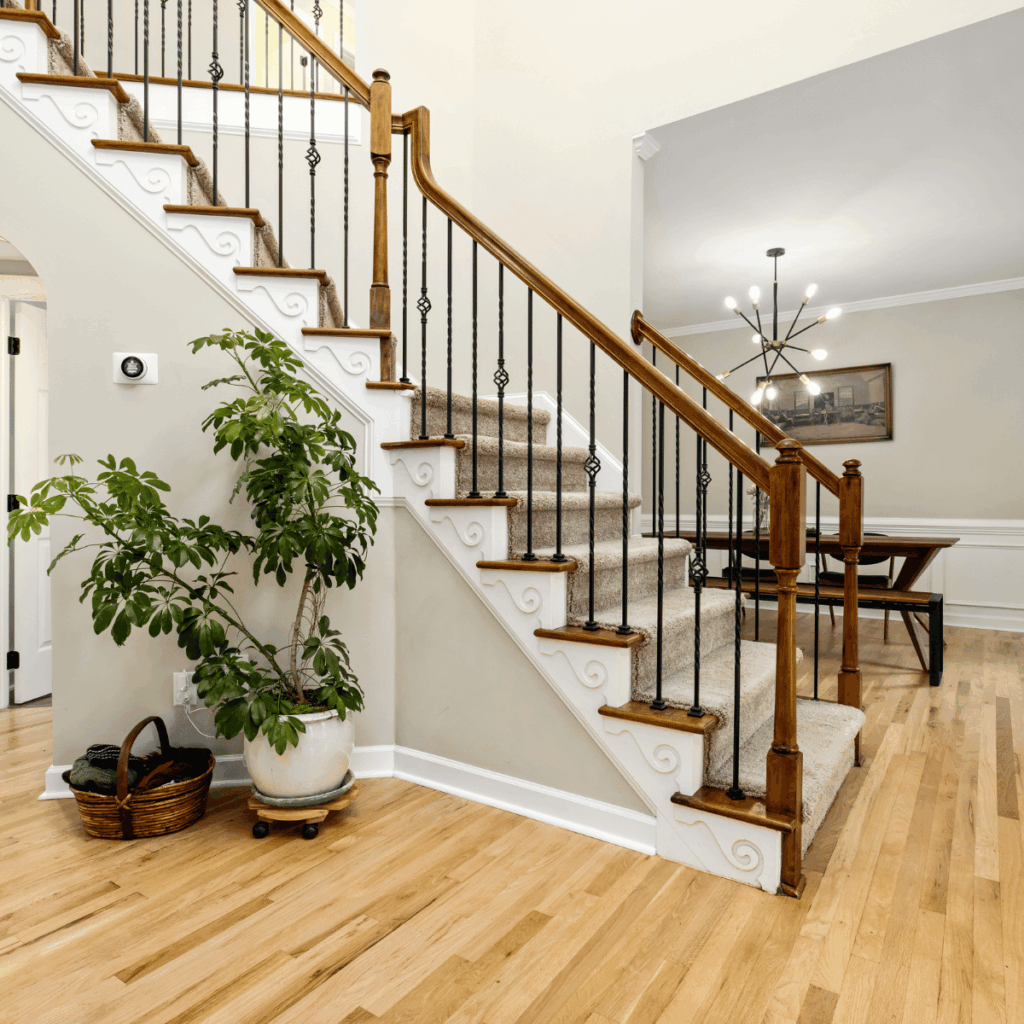
Staircases are an essential part of multi-level homes, and their size directly affects safety, comfort, and ease of movement. Understanding the correct stair size helps homeowners plan staircases that are practical, user-friendly, and suitable for daily use. Proper sizing also ensures the staircase blends well with the home’s layout.
Why Stair Size Is Important
A staircase that is too steep or too narrow can be uncomfortable and unsafe. Correct stair size makes climbing easier and reduces the risk of slipping or tripping. Well-proportioned stairs are especially important in homes with children, elderly family members, or frequent foot traffic.
Common Stair Size Used in Homes
In most residential properties, stair dimensions follow simple and comfortable proportions:
- Riser height: About 6 to 7 inches
- Tread depth: Around 10 to 11 inches
- Stair width: At least 3 feet for smooth movement
These measurements allow natural walking motion and reduce strain while using the stairs.
Safety Factors to Consider
Uniformity is crucial when designing stairs. Each step should have the same height and depth to prevent missteps. Handrails provide support and should be installed at a convenient height. Adequate headroom and proper lighting are also important to avoid accidents.
Planning Stair Size Based on Space
The available space in the house influences stair size and layout. Straight stairs suit narrow areas, while L-shaped or U-shaped designs work better in larger homes. Even in compact spaces, stair size should never be reduced to the point where comfort or safety is compromised.
Design Tips for Better Stair Planning
When finalising stair size, keep these points in mind:
- Use non-slip materials for safety
- Provide sufficient lighting along the staircase
- Maintain a comfortable slope rather than steep steps
- Match stair finishes with the overall interior design
Good planning ensures the staircase looks appealing and functions smoothly.
Can Stair Size Be Customized?
Custom stair sizes are possible, especially in independent houses or duplex homes. However, customisation should still follow basic safety principles and local building guidelines. Professional guidance helps achieve a balance between design flexibility and safety.
Conclusion
Choosing the right stair size is a key element of residential planning. Proper dimensions improve comfort, safety, and long-term usability. Whether building a new home or upgrading an existing one, thoughtful stair sizing makes everyday movement easier. For expert planning, design support, and reliable execution, Zlendo Realty offers professional solutions tailored to residential needs.
Disclaimer
Stair sizes and design requirements may vary based on structural conditions and local regulations. Readers are advised to consult qualified architects, engineers, or construction professionals before finalising any staircase design.
Reshma Shree
A passionate content writer and digital marketer skilled in creating engaging, SEO-driven content that boosts online visibility and brand growth.