What Is IPS Flooring? Meaning, Features, and How It Differs from Concrete Flooring
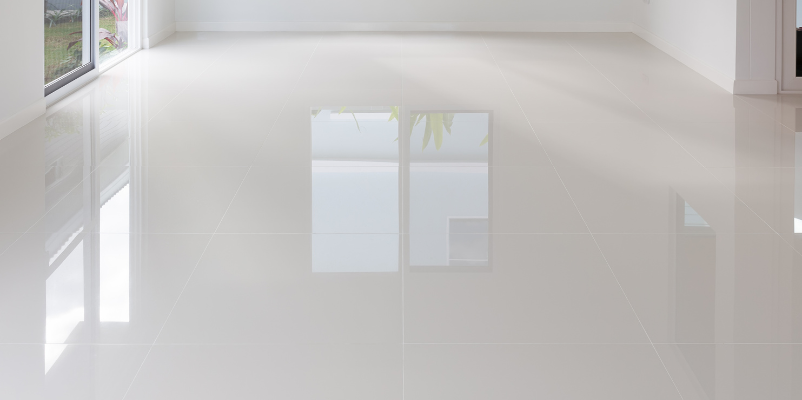
IPS flooring has become a popular flooring choice in modern construction due to its smooth finish, durability, and cost efficiency. Often compared with traditional concrete flooring, IPS flooring offers a more refined appearance while maintaining strength and long-term performance.
This blog explains what IPS flooring is, how it differs from regular concrete flooring, its benefits, installation process, and maintenance requirements.
Understanding IPS Flooring
IPS stands for Indian Patent Stone flooring. It is a type of cement-based flooring created by mixing cement, sand, aggregates, and water in specific proportions. Once laid, the surface is leveled and finished smoothly to achieve a clean and uniform appearance.
IPS flooring is commonly used in homes, offices, schools, hospitals, and commercial buildings where durability and neat finishing are required.
IPS Flooring vs Concrete Flooring: Key Differences
Although IPS flooring is cement-based like concrete, the two are not the same.
Material composition
- IPS flooring uses a carefully balanced mixture to achieve a smoother surface.
- Concrete flooring focuses more on strength and structure rather than finish.
Surface finish
- IPS flooring has a smooth and polished appearance.
- Concrete flooring is usually rough and unfinished unless treated separately.
Usage
- IPS flooring is preferred for interior spaces where appearance matters.
- Concrete flooring is commonly used for structural elements and outdoor areas.
Aesthetic appeal
- IPS flooring can include color pigments for a cleaner and more uniform look.
- Concrete flooring has a plain, industrial appearance.
Advantages of IPS Flooring
IPS flooring offers several practical benefits, making it a preferred choice for many projects.
- Smooth and seamless finish
- Cost-effective compared to tiles or stone flooring
- High durability and long lifespan
- Easy to clean and maintain
- Suitable for both residential and commercial interiors
Its simple yet elegant appearance makes it ideal for minimal and functional spaces.
Where IPS Flooring Is Commonly Used
IPS flooring is suitable for a wide range of applications, including:
- Homes and apartments
- Office buildings
- Educational institutions
- Hospitals and clinics
- Retail and commercial spaces
Its versatility allows it to adapt to different interior needs.
Installation Process of IPS Flooring
The installation of IPS flooring requires precision and skilled workmanship.
The process typically includes:
- Preparing and leveling the base surface
- Mixing cement and aggregates accurately
- Laying the mixture evenly
- Smoothing and finishing the surface
- Allowing proper curing time
Professional installation is recommended to ensure a durable and crack-free finish.
Maintenance Tips for IPS Flooring
Maintaining IPS flooring is simple and hassle-free.
- Clean regularly using water and mild cleaning solutions
- Avoid harsh or abrasive chemicals
- Address cracks or damage early to prevent spreading
With basic care, IPS flooring can remain in good condition for many years.
FAQ
1. What is IPS flooring mainly used for?
It is used in residential and commercial interiors for its smooth finish and durability.
2. Is IPS flooring better than concrete flooring?
IPS flooring is better for interior spaces where appearance matters, while concrete is preferred for structural purposes.
3. Can IPS flooring be colored?
Yes, pigments can be added to achieve different shades.
4. Is IPS flooring expensive?
It is generally more affordable than many other flooring options.
5. Is IPS flooring suitable for outdoor use?
It is mainly designed for indoor use, though special treatments can improve outdoor performance.
Conclusion
IPS flooring is a practical and cost-effective flooring solution that delivers a smooth finish and long-term performance. While traditional concrete flooring mainly emphasizes structural strength, IPS flooring combines durability with a neat and appealing look, making it ideal for modern interiors. By understanding these differences, homeowners and builders can make informed flooring choices based on usage and design requirements—and with Zlendo Realty, you can explore homes and projects that feature well-planned flooring solutions suited to contemporary living.
Disclaimer
This material is shared solely for general information and reference purposes. Flooring performance, costs, and suitability may vary depending on materials, workmanship, and site conditions. Readers are advised to consult construction professionals or flooring experts before making final decisions.
Reshma Shree
A passionate content writer and digital marketer skilled in creating engaging, SEO-driven content that boosts online visibility and brand growth.